HomeUnicornFailureFinanceCrypto Web3Founder BiographyCase StudiesBlogs
All Streams
Not Applicable — Corporate News Article
Company Logo
Deutsche
Traditional Finance Meets Crypto
Crypto Web3·2 min read·By imran ahmad

Deutsche Bank Is Entering Crypto: Why Traditional Banks Are Moving Into Digital Assets

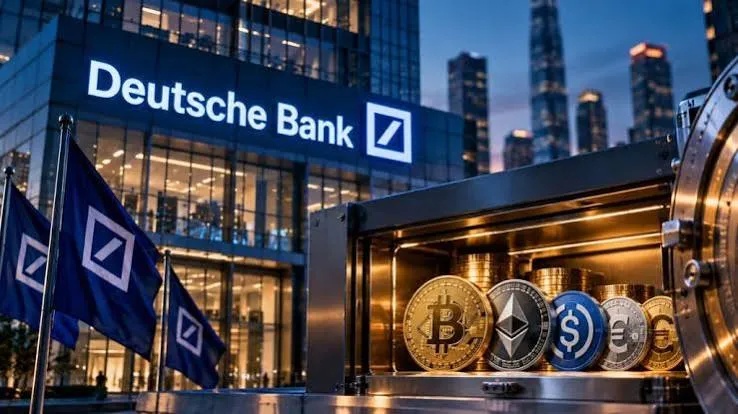
Deutsche Bank is preparing to expand into cryptocurrency custody, reflecting growing institutional interest in digital assets. Its reported plans include a German launch followed by a potential expansion into Asian markets in 2027. The strategy highlights opportunities in secure crypto custody, stablecoin infrastructure, and tokenized financial products. Regulatory approval, customer demand, and successful execution will determine how quickly these plans become reality.

Founded
1870
Established in Berlin, Germany
head quarter
Frankfurt
germany
$
crypto launched
Planned
Reported plans; regulatory approval and current status must be verified
Asia Expansion
2027
Planned Expansion
Writer & Reporting
Not Applicable — Corporate News Article
Not Applicable — Corporate News Coverage
Core Strategy & Architecture
  • •Corporate Banking: Financial services for businesses and institutional clients.
  • •Investment Banking: Capital markets, financing, and advisory services.
  • •Digital Asset Services: Planned cryptocurrency custody and related digital asset infrastructure, subject to implementation and applicable approvals.

CORE SECRETR

Deutsche Bank's strategic opportunity lies in connecting traditional financial infrastructure with blockchain-based assets. Institutional clients often need secure custody, operational controls, compliance processes, and reliable transaction infrastructure before adopting digital assets at scale. A bank that combines these capabilities with existing corporate relationships could develop additional fee-generating services. Stablecoin infrastructure and tokenized financial products may create further opportunities over time. However, the commercial value of this strategy will depend on client adoption, regulatory clarity, and successful execution.

BUSINESS LESSON

• Trust is infrastructure: Institutional customers need security, controls, and reliable operations—not just access to crypto tokens. • Distribution matters: Established banking relationships can help financial institutions introduce new services to existing clients. • Build around real demand: Custody and digital asset infrastructure address operational needs beyond speculative trading. • Regulation shapes growth: Market entry depends on licensing, compliance requirements, and local regulations. • Execution beats announcements: Planned launches create opportunities, but commercial success depends on actual customers and revenue.

FINAL THOUGHT

Deutsche Bank's reported crypto custody plans illustrate how digital assets are moving closer to traditional financial infrastructure. The opportunity extends beyond Bitcoin trading into custody, stablecoins, and tokenized finance. The key question is whether these services can become a meaningful, sustainable source of institutional banking revenue.

FULL EDITORIAL REPORT & WIRE DETAILS

Deutsche Bank Is Entering Crypto: The Institutional Shift

Traditional Banking Meets Cryptocurrency

The financial industry is entering a new phase as established banks explore services built around digital assets. Deutsche Bank is preparing to introduce cryptocurrency custody services, according to recent reporting, with an initial focus on Germany and a potential expansion into Asia in 2027.

This development highlights how traditional financial institutions are exploring ways to connect their existing banking infrastructure with blockchain-based assets.

What Is Crypto Custody?

Crypto custody involves securely holding and managing digital assets on behalf of customers.

Institutional investors need more than a way to purchase Bitcoin or Ether. They also need secure storage, operational controls, transaction management, and processes that meet applicable regulatory requirements.

Banks entering this market could offer these services to businesses and institutions that prefer working with established financial providers.

Why Is This Business Opportunity Important?

Crypto custody could create additional fee-generating opportunities for financial institutions.

Beyond custody, digital asset services may include stablecoin transactions, tokenized deposits, and infrastructure for tokenized financial instruments.

These products could connect blockchain technology with traditional financial markets. However, the commercial opportunity depends on customer adoption, regulatory clarity, and the cost of delivering secure services.

Why Does Asia Matter?

Asia contains important financial centres and diverse digital asset markets. Expanding into the region could give Deutsche Bank opportunities to serve institutional clients seeking digital asset infrastructure.

However, each market has its own regulatory requirements. The timing and scope of any expansion will depend on local approvals, business priorities, and customer demand.

Three Business Lessons

Lesson 1: Infrastructure can be a business.

Crypto adoption requires custody, compliance, transaction processing, and security. These services create potential business opportunities beyond cryptocurrency trading.

Lesson 2: Trust can create a competitive advantage.

Established banking relationships may help financial institutions introduce digital asset services to clients who value familiar operational and compliance processes.

Lesson 3: Regulation influences expansion.

Digital asset companies and traditional banks must account for different legal requirements across jurisdictions. Announced plans are not the same as completed launches.

Final Thought

The next stage of crypto adoption may be shaped not only by blockchain startups but also by established financial institutions.

Deutsche Bank's reported plans illustrate the growing connection between traditional finance and digital assets. Whether the strategy becomes a significant business will depend on regulatory approvals, institutional demand, and execution.

Editorial Disclaimer: This article is for informational purposes only and does not constitute investment advice.

Source for verification: CoinDesk's reported coverage of Deutsche Bank's planned crypto custody launch and potential Asian expansion, dated October 18, 2026. Verify the original report and current launch status before publication.

EDITORIAL SOURCING & ATTRIBUTION
Reported by imran ahmad

Related in Crypto Web3

View Desk Stream →
Crypto Web3
about 14 hours ago
Binance: The Business Behind the World's Crypto Trading Machinereuters

Binance: The Business Behind the World's Crypto Trading Machine

Binance transformed cryptocurrency trading into a global financial technology business by building an exchange that connects millions of users with digital asset markets. Its business model revolves around trading fees, premium services, and a broader crypto ecosystem built around products such as BNB Chain and Binance...
i
imran ahmad
Crypto Web3
14 days ago
Tether (USDT): The Billion-Dollar Business Behind Digital Dollarsstock cake

Tether (USDT): The Billion-Dollar Business Behind Digital Dollars

Tether has become a major force in the digital asset economy by building USDT, a dollar-pegged stablecoin used across cryptocurrency exchanges, decentralized finance, and international digital payments. Its business model combines blockchain-based dollar transfers with income generated primarily from reserve assets, ma...
I
IMRAN AHMAD
Crypto Web3
19 days ago
The Stablecoin Business: How Crypto Companies Actually Make Moneycato institute

The Stablecoin Business: How Crypto Companies Actually Make Money

Stablecoins have evolved from a crypto trading tool into a serious financial infrastructure business. Behind every dollar-pegged token is a business model built around reserves, payments, distribution, transaction flows and, in some cases, the income generated from the assets backing those tokens.
I
Imran Ahmad