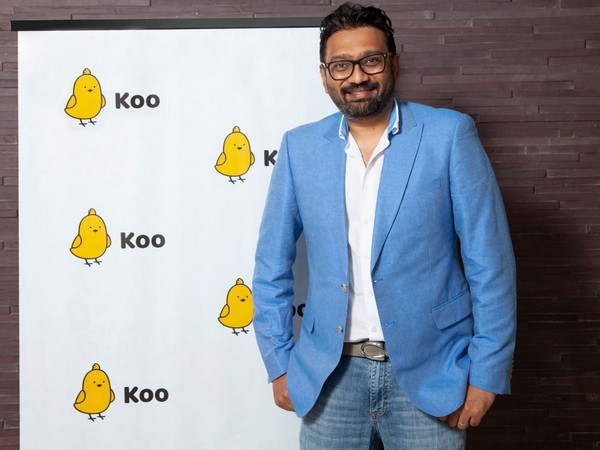
Koo identified a genuine gap: India's internet audience is multilingual, while major global social platforms historically had stronger English-language positioning. The platform gained attention rapidly, especially during the 2021 Twitter-government conflict, and attracted politicians and public personalities. But social media has a structural problem: users create value for other users. A better language experience alone cannot easily overcome the network effect of an incumbent platform where creators, audiences and conversations already exist. Koo reached millions of users, but converting that attention into a durable, monetisable network proved much harder.
Operator Playbook & Lesson
.Product differentiation isn't enough: A multilingual product can solve a real problem without automatically creating a defensible network.
• Network effects are brutally powerful: Social platforms compete not just on features, but on where the users and creators already are.
• Funding must follow economics: Koo raised more than $60M, but struggled to secure additional capital when the funding environment tightened.
• Acquisition cannot be the emergency plan: Koo explored multiple strategic partnerships and acquisition possibilities, including talks involving Dailyhunt, but none produced a viable outcome
Koo reached roughly 10M monthly active users and a ~$285M peak valuation, but the combination of difficult monetisation, high technology costs and a prolonged funding winter ultimately overwhelmed the business. The real lesson: in social media, acquiring users is only half the battle—the harder job is creating a network valuable enough to survive without endless venture capital.


 Unsplash / Teardown Lab